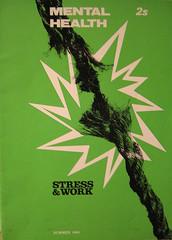
 Image by Getty Images via Daylife
Controlling stress is a vital part of managing congestive heart failure. Implementing tactics to remove or minimize stressful situations in your life will make symptoms easier to control and lead to a longer, happier life.
Stress is a formidable force in the lives of many people in this world today. While stress may not seem to permanently affect people, it is a very serious cause and/or aggravation to medical conditions a person has. First, it is important to discuss what the true definition of stress is. If asked, the average person on the street might say that stress is anything that causes worry to one’s life. They might give examples like arguing with a spouse, financial problems, or children’s bad behavior. While these are examples of one kind of stress, stress is also much more. By definition, stress is the body’s reaction to change that requires any kind of change or response. Besides emotional and mental reactions to these changes, the body experiences physical responses as well. Stress is a very normal part of life and depending on how one reacts to it, can be positive or negative. While this is true, many people let stress affect them negatively.
The human body is capable of experiencing stress and reacting to it. A way that stress can be positive is to keep people on their toes and ready for anything. However, if stress is taken the wrong way, it becomes negative. One way that stress can become a negative influence on a life is if a person begins to go through continuous challenges that prove stressful and has no respite from these challenges. While a human being is emotionally capable of handling stress, seemingly endless tests of our strength may discourage a person and start affecting their health in a negative manner such as the person becoming over-worked or extremely tense.
This type of unrelenting and continuous stress can be very destructive. This can lead to a condition called distress, a negative reaction to stress. Such physical symptoms that can ensue with distress are headaches, upset stomach, insomnia, high blood pressure, and chest pain, just to name a few. Medical studies show that it is possible that stress can cause or worsen symptoms of diseases. If stress is not reacted to in a calm and rational manner, it can definitely be a force to be reckoned with. The statistics of how many people are vulnerable to the negative effects of stress are surprising.
Forty-three percent of adults suffer from adverse health effects in connection with stress. Surprisingly, people do take their sufferings to the doctor, because 75-90% of doctors’ visits are related to symptoms and ailments of stress. Not only is stress a danger on a personal level, but the Occupational Safety and Health Administration has declared stress a true hazard of the workplace. Not only does it cost the employee money, but American industry loses $300 billion annually due to stress. The existence and or lifetime continuation of emotional issues is greater than 50% due to unresolved stress issues. Stress can also make diseases like diabetes, high blood pressure, asthma, and heart disease worse.
Congestive Heart Failure (CHF), in short, is a condition of the heart when the heart does not have the capability to pump blood properly. This condition is caused in large part by unhealthy diet, unhealthy lifestyle, and heredity, among other things. This serious and life-threatening disease is exacerbated by the existence of stress in the life of someone diagnosed with it. If stress has such an effect on otherwise healthy adults, imagine the incredible emotional, mental, and worst of all, physical consequences of stress on someone lacking complete functionality of his or her heart. Stress can make a huge difference in the longevity of the life of a person with CHF. It is so very important to minimize situations that are inductive to stress so that the quality of life is tolerable for the patient. Being diagnosed with Congestive Heart Failure, an incurable disease, is difficult enough without adding the pressures of excessive stress into his or her life.
![Reblog this post [with Zemanta]](http://img.zemanta.com/reblog_e.png?x-id=10f8f6ce-b1bf-40ef-ad19-a7a0e6a79da7)


![Reblog this post [with Zemanta]](http://img.zemanta.com/reblog_e.png?x-id=ba1fcd84-c849-4c68-b521-17f1ffc6217e)

![Reblog this post [with Zemanta]](http://img.zemanta.com/reblog_e.png?x-id=bbee9498-992b-4775-bf66-52af9d282dad)